In the ever-evolving landscape of personal finance, few tools have matured as powerfully as the Health Savings Account (HSA). Once viewed as a simple vehicle for covering medical deductibles, the modern HSA has emerged as a formidable, triple-tax-advantaged engine for long-term wealth creation. Yet, for most, its potential remains locked behind a barrier of manual complexity—tracking receipts, timing investments, and navigating opaque fee structures. As we move deeper into 2026, a paradigm shift is underway: the rise of the fully automated HSA. This isn’t just about convenience; it’s a sophisticated capital allocation strategy that leverages cutting-edge fintech to transform a healthcare account into a cornerstone of financial fitness.

The 2026 HSA: Far More Than a Healthcare Silos
To appreciate the automation revolution, one must first understand the contemporary HSA’s unique value proposition. Contributions are tax-deductible, growth is tax-free, and withdrawals for qualified medical expenses are tax-free—a trifecta unmatched by 401(k)s or IRAs. Furthermore, in 2026, the portability and ownership features of HSAs are now widely understood; the account is yours for life, independent of your employer. The critical evolution, however, lies in the investment landscape. Leading HSA providers like Fidelity, Lively, and HealthEquity have dismantled the old guardrails, offering seamless, low-cost access to full brokerage windows, fractional shares, and curated ETF portfolios. The asset is no longer sidelined. The challenge, historically, has been the behavioral friction to actively manage it.
The Pillars of HSA Automation: A Blueprint for Hands-Off Growth
1. Contribution Automation: The Foundational Cash Flow
This is the non-negotiable first step. Automation here ensures you consistently fund your account up to the annual IRS limit ($4,150 for individuals, $8,300 for families in 2026, with an additional $1,000 catch-up for those 55+). The most efficient method remains pre-tax payroll deduction, which also bypasses FICA taxes (a 7.65% immediate savings for employees). In 2026, sophisticated platforms allow you to dynamically adjust contributions based on bonus cycles or side-income streams, ensuring you hit the annual max without manual intervention.
2. The Cash Buffer & Sweep Protocol: Strategic Liquidity Management
A common automation pitfall is immediately investing every dollar, leaving no cushion for medical expenses. The modern solution is the automated cash buffer. You define a threshold—for instance, keeping your annual out-of-pocket max in cash (e.g., $3,000). Fintech integrations within your HSA provider’s platform can then automatically “sweep” any contributions above that threshold into your chosen investment portfolio. This creates a self-replenishing liquidity pool for healthcare costs while ensuring surplus capital is always working in the market.
3. Investment Automation: Robo-Advisors and Beyond
This is where the strategy ascends. The core principle is dollar-cost averaging. You can automate recurring investments into a specific fund or a tailored portfolio. In 2026, many savers are opting for HSA-specific robo-advisor services that consider your age, health risk profile, and overall financial picture to build a suitable asset allocation. These platforms handle rebalancing and tax-loss harvesting within the HSA’s tax-free environment. For the hands-off investor, setting up automatic monthly investments into a low-cost, broad-market ETF like a total stock market or S&P 500 index fund remains a supremely effective tactic.
4. Digital Receipt Capture and Portfolio Tracking: The Administrative Backbone
Automation isn’t just about growing the account; it’s about managing its utility. New applications in 2026 offer seamless, AI-powered receipt capture and categorization. By scanning bills and explanation of benefits (EOBs) via your smartphone, you create a verified, timestamped digital ledger of qualified medical expenses. This allows you to reimburse yourself at any time in the future—a powerful tool for letting investments compound for decades. Furthermore, unified dashboard platforms now aggregate your HSA alongside your 401(k), IRA, and taxable accounts, giving you a holistic view of your net worth and asset allocation.
Navigating the 2026 HSA Provider Landscape: Key Considerations
Not all HSA providers are created equal for an automation-centric strategy. When evaluating top-tier HSA custodians and administrators in the current market, scrutinize these features:
- Fee Transparency: Zero monthly maintenance fees and low, clearly stated investment expense ratios are now the market standard. Avoid providers with hidden asset-based fees.
- Investment Flexibility: Does the platform offer a robust selection of low-cost index funds and ETFs without requiring a minimum cash balance before investing?
- Integration Capabilities: Can the account integrate with personal finance apps (e.g., Mint, YNAB, or specialized HSA managers) via secure API connections for automated tracking?
- User Experience & Automation Tools: The provider’s own interface should offer native tools for setting up automatic sweeps, recurring investments, and digital receipt storage.
The Long-Game: From Healthcare Fund to Retirement Powerhouse
The ultimate endgame of HSA automation is what leading financial planners now call the “Stealth IRA” strategy. By paying for current medical expenses out-of-pocket (while diligently documenting them) and letting the entire HSA balance compound untouched, you effectively create a reservoir of tax-free wealth. In retirement, you can reimburse yourself for decades of accumulated medical expenses tax-free. After age 65, funds can be withdrawn for any purpose penalty-free, with only ordinary income tax due (making it function like a traditional IRA for non-medical spending). An automated HSA ensures you are consistently feeding this powerful vehicle without emotional decision-making or procrastination.
Conclusion: Systematizing Your Path to Financial Health
As we stand in 2026, the convergence of regulatory clarity, financial technology, and investment access has created a unique moment for the Health Savings Account. It is no longer a passive healthcare slush fund but an active, strategic asset class. Automating its management is not a mere technical exercise; it is a deliberate commitment to financial fitness. By systematizing contributions, liquidity buffers, investments, and documentation, you harness the full, triple-tax-advantaged potential of the HSA. This tech-driven strategy transforms complexity into simplicity and uncertainty into a predictable, growing pillar of your long-term wealth. The future of savvy personal finance is not just about picking the right assets, but about architecting systems that work relentlessly in the background. Your HSA deserves nothing less.
Photo Credits
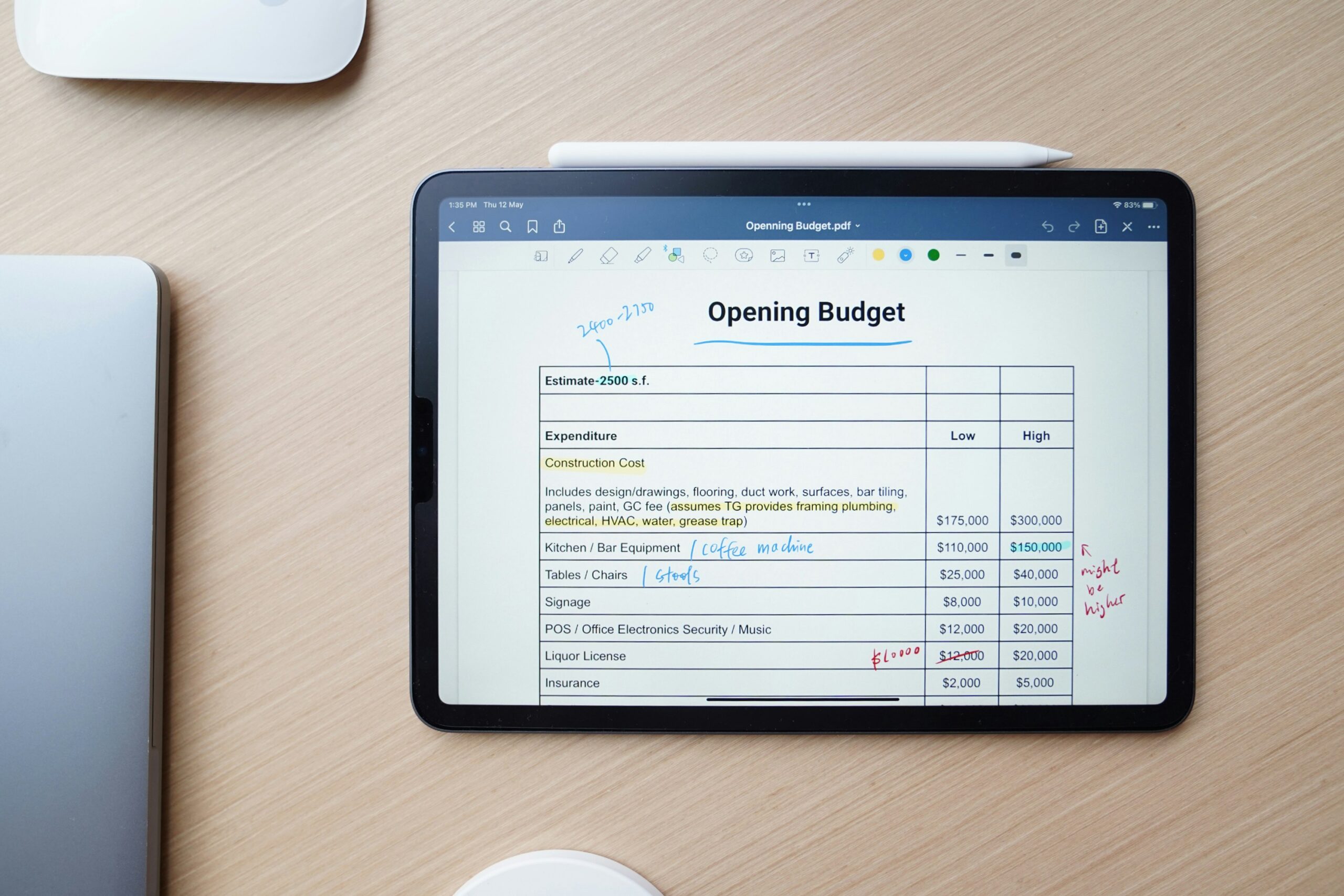
Photo by GoodNotes 5 on Unsplash
- Smart Budgeting for Health Tech: A Cost-Benefit Analysis for Early Adopters – 22/04/2026
- The 2026 Blueprint: Why Fusing Financial and Mental Wellness Tools is the Ultimate Employee Benefit – 22/04/2026
- Beyond the Hype: How Blockchain is Finally Delivering Security and Efficiency in Healthcare – 22/04/2026

•
Leave a Reply