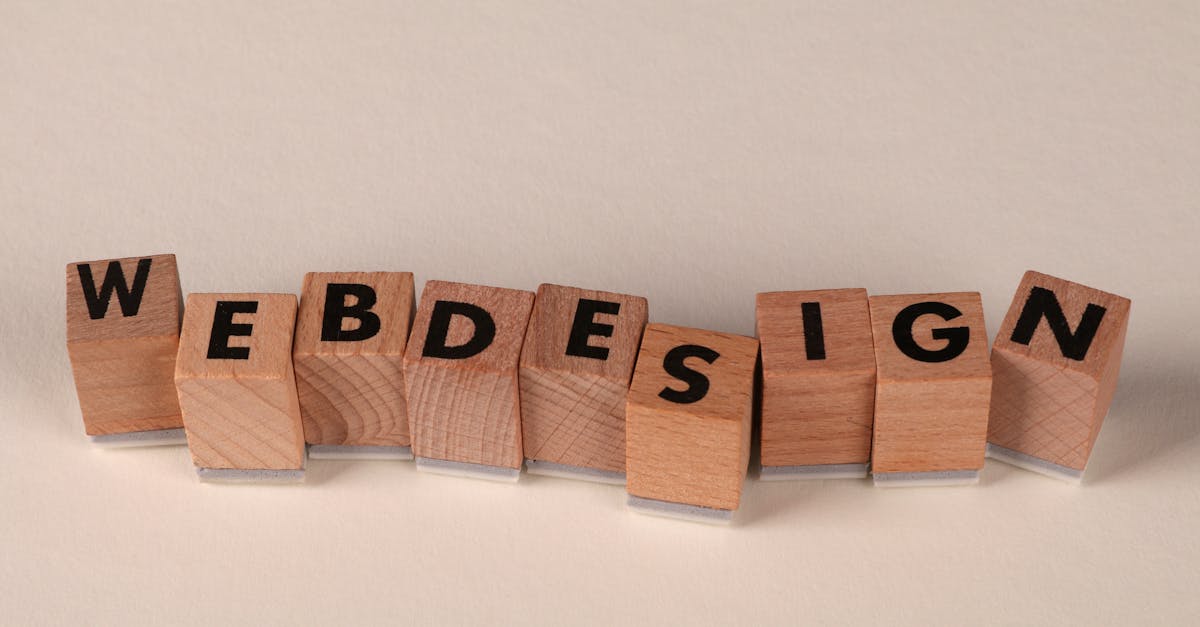
The digital landscape is crowded. Every day, users are bombarded with cluttered pages, confusing navigation, and visual noise. The brands that win are the ones who cut through the noise with clarity and purpose. Modern web design is no longer about adding more; it is about stripping away the unnecessary to reveal the essential.
If you are tired of building interfaces that look amateurish or feel “busy,” you are not alone. The most common pain point for aspiring designers is the inability to translate a creative vision into a clean, professional layout. The solution lies in a disciplined approach to minimalism, structure, and contrast.
This guide will walk you through the core principles of modern, minimalist UI design. You will learn exactly how the pros build interfaces that are not only beautiful but also drive higher engagement and conversion rates. By the end, you will understand the exact framework needed to transform your portfolio.
The Power of the Minimalist Mindset
Minimalism in web design is not about being boring. It is about being intentional. Every pixel, every line of text, and every empty space must serve a purpose. This philosophy is the foundation of the most successful tech companies today.
When you remove clutter, you improve focus. Users can find what they need faster, understand the message quicker, and are more likely to take the desired action. A minimalist interface is a user-friendly interface.
- Clarity over Complexity: Prioritize clear messaging over decorative elements that add noise.
- Function over Form: Every design choice should enhance usability, not hinder it.
- Whitespace as a Design Tool: Use negative space to create breathing room and guide the user’s eye.
- Consistency is Key: A rigid grid and consistent spacing create a sense of order and professionalism.
Mastering this mindset is the first step in any serious web design course. It changes how you look at a blank canvas, turning it from a source of anxiety into a playground for structured creativity.
The High-Contrast Aesthetic: Black, White, and Impact
One of the most powerful trends in modern interface design is the return to high-contrast, monochromatic palettes. A clean black-and-white scheme is the ultimate test of a designer’s skill. Without color to distract, your typography, layout, and hierarchy must be flawless.
This aesthetic is not just visually striking; it is highly functional. High contrast improves readability and accessibility, making your site usable for a wider audience. It also conveys a sense of sophistication and authority.
- Readability: Black text on a white background offers the highest legibility for body copy.
- Focus: A monochrome palette forces the user’s eye to focus on the content and calls to action.
- Timelessness: Unlike trendy color schemes, black and white never goes out of style.
- Brand Authority: It projects confidence and a “no-nonsense” approach to problem-solving.
In our UI/UX tutorials, we emphasize that mastering this palette is a rite of passage. Once you can build a stunning interface in grayscale, adding color becomes a strategic choice rather than a crutch.
Structural Integrity: Why Sharp Edges and Rigid Grids Win
There is a prevailing myth that rounded corners are inherently “friendlier” or more modern. While they have their place, the most impactful modern interface design often relies on sharp, 90-degree angles. This creates a strong, architectural feel that exudes stability and precision.
Think of a skyscraper. Its strength and beauty come from its rigid, structural lines. The same principle applies to a well-designed webpage. A layout built on sharp edges and strict grid systems feels deliberate, organized, and powerful.
- Visual Strength: Sharp corners convey confidence and authority.
- Cleaner Lines: They create a more defined separation between content blocks.
- Grid-Based Layouts: A strict grid is the backbone of professional design, ensuring alignment and rhythm.
- Structural Aesthetic: It mimics the physical world of architecture, making the digital space feel tangible.
This is a core tenet of minimalist web design. By embracing the grid and rejecting unnecessary rounding, you build interfaces that feel solid and trustworthy. This is the look of a brand that means business.
Typography: The Voice of Your Interface
In a minimalist, high-contrast design, typography is not just a vessel for content—it is the primary visual element. Choosing the right typeface and establishing a clear hierarchy is essential for guiding the user and setting the tone.
A strong typographic system replaces the need for decorative graphics. It provides rhythm, structure, and personality. Whether you choose a sharp, modern sans-serif or a refined serif for contrast, your type choices must be deliberate.
- Hierarchy: Use distinct font sizes and weights (e.g., Bold for headings, Light for body) to show importance.
- Line Length: Keep your lines between 50-75 characters for optimal readability.
- Spacing: Use generous line-height and letter-spacing to improve legibility in a monochrome layout.
- Pairing: Limit yourself to two typefaces maximum. One for headlines, one for body text.
Our comprehensive learn UI online modules dedicate significant time to typography. It is the single highest-leverage skill you can develop to instantly elevate the quality of your work.
Building Your Professional Portfolio
Theory is useless without application. The ultimate goal of learning these principles is to build a portfolio that lands you a job or wins you clients. A minimalist portfolio that showcases your understanding of structure, contrast, and typography speaks louder than a thousand words.
Start by redesigning a common interface—a landing page, a dashboard, or a blog layout—using only black, white, and a single accent color (if any). Focus on the grid, use sharp edges, and let the typography do the heavy lifting.
- Redesign Existing Sites: Take a cluttered website and apply minimalist principles to it.
- Focus on 3 Projects: Quality over quantity. Show three excellent, deeply considered projects.
- Document Your Process: Show your wireframes and grid structures to demonstrate your thinking.
- Tell a Story: Explain the user problem and how your design solved it.
A structured web design course provides the framework and feedback necessary to turn these ideas into a polished, professional portfolio piece.
The Path Forward: From Aspiration to Execution
You now have the blueprint. You know that the secret to modern, high-impact design is not a secret at all—it is a disciplined application of minimalist principles, high-contrast aesthetics, and rigid structural grids. You understand why sharp edges and strong typography create interfaces that command respect.
But reading about it is not enough. The gap between knowing and doing is where most aspiring designers get stuck. You need a guided path, expert feedback, and a community that pushes you to execute at a higher level. You need a system that takes you from overwhelmed beginner to confident designer.
Imagine the feeling of launching a site that you are truly proud of. Imagine presenting a portfolio that immediately signals professionalism and skill. That future is not a distant dream; it is a direct result of the next decision you make. The only thing standing between you and that reality is the commitment to start learning the right way.
Stop building cluttered, amateur interfaces. It is time to step into the world of clean, powerful, minimalist design. Your creative ideas deserve a digital reality that is just as sharp and impactful as your vision. The tools, the curriculum, and the support are ready for you. All that is left is for you to take the first step.

Leave a Reply