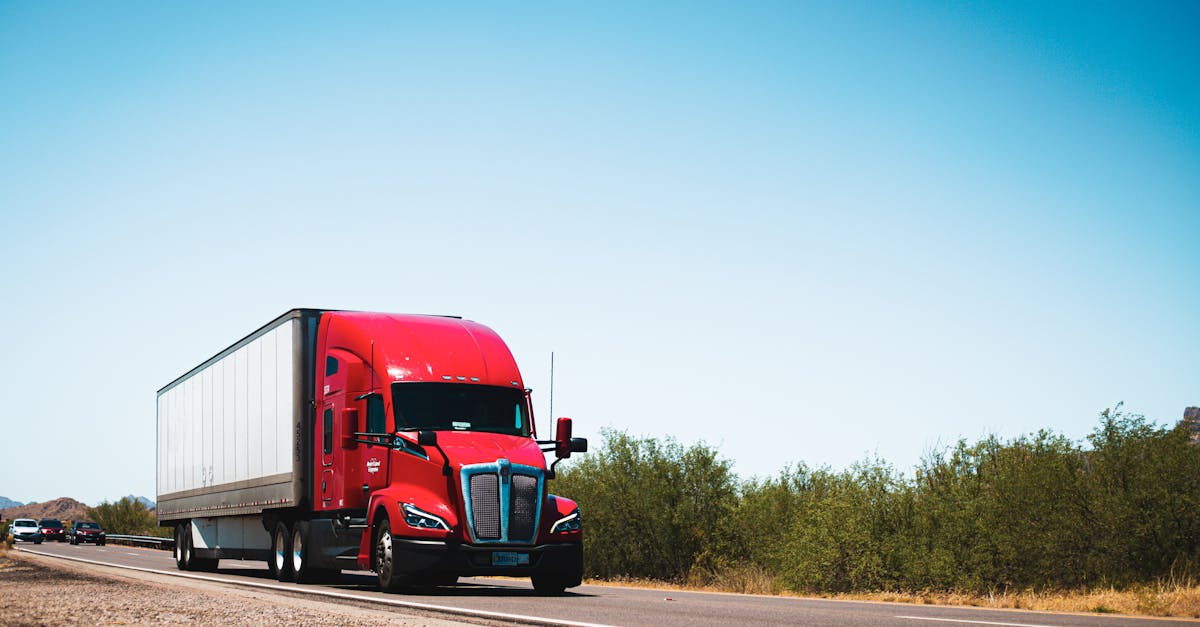

For millions of Americans, the dream of a stable, high-paying career feels increasingly out of reach. The traditional four-year college path carries a heavy debt burden, and many skilled trades require years of unpaid apprenticeship. Yet, one of the largest and most vital industries in the country is desperate for qualified professionals. The transportation sector is facing a historic driver shortage, creating unprecedented opportunity for those willing to step behind the wheel.
This isn’t just a job; it’s a career with a clear path to financial independence. The key to unlocking this door is professional truck driver training. Whether you are a recent high school graduate or a seasoned professional looking for a change, the road to a successful career starts with the right education.
Why the Demand for Qualified Drivers Is Surging
The American economy runs on trucks. Everything from the food on your table to the electronics you use every day spends time on an 18-wheeler. However, the current workforce is aging out, and the pipeline of new drivers has not kept pace with demand.
This shortage translates directly into leverage for you. Companies are not just offering jobs; they are competing for talent with high starting salaries, signing bonuses, and comprehensive benefits packages. By completing a certified program, you position yourself to take advantage of this market imbalance.
- High Starting Pay: Entry-level drivers can often earn between $50,000 and $70,000 in their first year.
- Job Security: The need for freight transport is recession-resistant. Goods must move regardless of the economic climate.
- Signing Bonuses: Many carriers offer bonuses ranging from $5,000 to $15,000 for new hires.
- Path to Independence: Experienced drivers can transition to owner-operator roles, controlling their own income.
Navigating the CDL Requirements: Your First Step
Before you can hit the highway, you need to meet specific federal and state requirements. While this may seem daunting, a reputable truck driver school will guide you through every step. The process is standardized and designed to ensure you are safe and prepared.
The baseline requirements to apply for a Commercial Learner’s Permit (CLP) are straightforward. You must be at least 18 years old for intrastate driving and 21 for interstate commerce. You also need a valid driver’s license and a clean driving record.
- Medical Certification: You must pass a DOT physical exam to prove you are fit to drive a commercial vehicle.
- Background Check: A clean criminal record and no serious traffic violations are typically required.
- Drug Screening: You must pass a pre-employment drug test and be subject to random testing.
- Knowledge Tests: You must pass written exams on general knowledge, air brakes, and combination vehicles.
What to Expect from Professional Truck Driving Classes
Enrolling in structured truck driving classes is the most efficient and effective way to launch your career. These programs are designed to compress the learning curve, taking you from a complete novice to a test-ready driver in a matter of weeks. The best truck driving training programs blend classroom theory with practical application.
You will not just learn how to shift gears. You will master the art of defensive driving, fuel efficiency, and complex maneuvering. The curriculum is intense but rewarding.
The Classroom Component
This is where you build your foundation. You will study the regulations set by the Federal Motor Carrier Safety Administration (FMCSA), learn about trip planning, and understand the mechanics of your vehicle. Safety is the core theme of all truck driver courses.
- Hours of Service (HOS) Rules: Learn how to legally log your driving time to stay compliant.
- Pre-Trip Inspection: Master the 200+ point inspection required before every trip.
- Defensive Driving: Techniques to anticipate and avoid hazards on the road.
- Map Reading & GPS: How to navigate truck-specific routes and avoid low bridges.
The Behind-the-Wheel (BTW) Training
This is the core of any great truck driving school program. You will spend hours behind the wheel of a real 18-wheeler, practicing with a certified instructor. This is where theory becomes muscle memory.
- Straight Line Backing & Alley Docking: Precision maneuvers for loading docks.
- Highway Driving: Merging, lane changes, and managing speed on interstates.
- City Driving: Navigating traffic, tight turns, and intersections safely.
- Night & Weather Driving: Techniques for operating in low visibility conditions.
Choosing the Right Truck Driver School
Not all training programs are created equal. Your choice of school will directly impact your job prospects and how prepared you feel for the CDL exam. You want a program that is accredited, has a high pass rate, and offers strong job placement assistance.
When researching schools, look for one that offers a comprehensive curriculum and modern equipment. A good school invests in its students because their success is the school’s reputation.
- Accreditation: Ensure the school is accredited by a recognized body like the National Association of Publicly Funded Truck Driving Schools (NPFTS) or the Commercial Vehicle Training Association (CVTA).
- Equipment: Look for schools that train on late-model trucks with automatic and manual transmissions.
- Instructor Credentials: Experienced instructors with years of real-world driving experience are invaluable.
- Job Placement: A strong placement office with relationships with major carriers is a huge asset.
- Financing Options: Many schools offer payment plans, grants, or can help you secure funding.
The Financial Reality: Cost vs. Return on Investment
One of the most attractive aspects of this career path is the low barrier to entry. While a four-year degree can cost over $100,000, a comprehensive truck driver training program typically costs between $3,000 and $10,000. This is a fraction of the cost of a traditional education.
Furthermore, many large trucking companies offer tuition reimbursement programs. If you sign a contract to drive for them for a year, they will often pay for your training. This is a fantastic way to get started with zero out-of-pocket expense.
- Company-Sponsored Training: Get paid while you learn, but be prepared for a service commitment.
- Private School Investment: Pay upfront for maximum flexibility in choosing your first job.
- GI Bill & WIOA: Veterans and those eligible for workforce development funds can often use these benefits.
- Return on Investment: Most graduates recoup their training costs within the first three months of employment.
Safety First: The Non-Negotiable Core of the Industry
The single most important thing you will learn in your truck driving courses is safety. Operating a commercial vehicle is a massive responsibility. You are not just driving a truck; you are piloting a machine that can weigh up to 80,000 pounds. A single mistake can be catastrophic.
Professional training ingrains a safety-first mindset. You will learn to constantly scan the road, anticipate the actions of other drivers, and manage your vehicle’s momentum. This is not just about passing a test; it is about protecting your life and the lives of everyone around you.
Employers place a premium on drivers with a clean safety record. Graduates from accredited schools are often preferred because they have been drilled on safety protocols from day one. This makes you a more valuable hire from the moment you earn your license.
Your Roadmap to a New Career Starts Now
The opportunity in the trucking industry is real and it is waiting for you. You do not need a college degree. You do not need years of experience. What you need is the dedication to complete a professional training program and the desire to build a better future for yourself and your family.
The path is clear. Start by researching accredited truck driver schools in your area. Call them. Visit their facilities. Ask about their truck driving training schedules, their financing options, and their job placement rates. Take the first step today by reaching out to a local training facility and asking about their next available class. The open road is calling.

Leave a Reply